

Installing ABS ALC Panel Fixing Clips on a panel with a large hole can seem like a daunting task, but with the right approach and tools, it can be accomplished efficiently. As a supplier of ABS ALC Panel Fixing Clips, I've seen firsthand the importance of proper installation for ensuring the stability and longevity of ALC panels. In this blog, I'll guide you through the process of installing these clips on a panel with a large hole, sharing some tips and best practices along the way.
Understanding ABS ALC Panel Fixing Clips
Before we dive into the installation process, let's take a moment to understand what ABS ALC Panel Fixing Clips are and why they are essential. ABS (Acrylonitrile Butadiene Styrene) is a thermoplastic polymer known for its strength, durability, and resistance to impact. ALC (Autoclaved Aerated Concrete) panels are lightweight, energy - efficient building materials commonly used in construction. The ABS ALC Panel Fixing Clips are designed to securely attach the ALC panels to the building structure, providing stability and preventing movement.
There are different types of clips available, such as the Internal Wire Fixing Clip for AAC Blocks, ABS ALC Panel Fixing Clip, and ALC Panel Wire Mesh Fixing Clip. Each type has its own specific use and installation requirements.
Tools and Materials Needed
To install ABS ALC Panel Fixing Clips on a panel with a large hole, you'll need the following tools and materials:

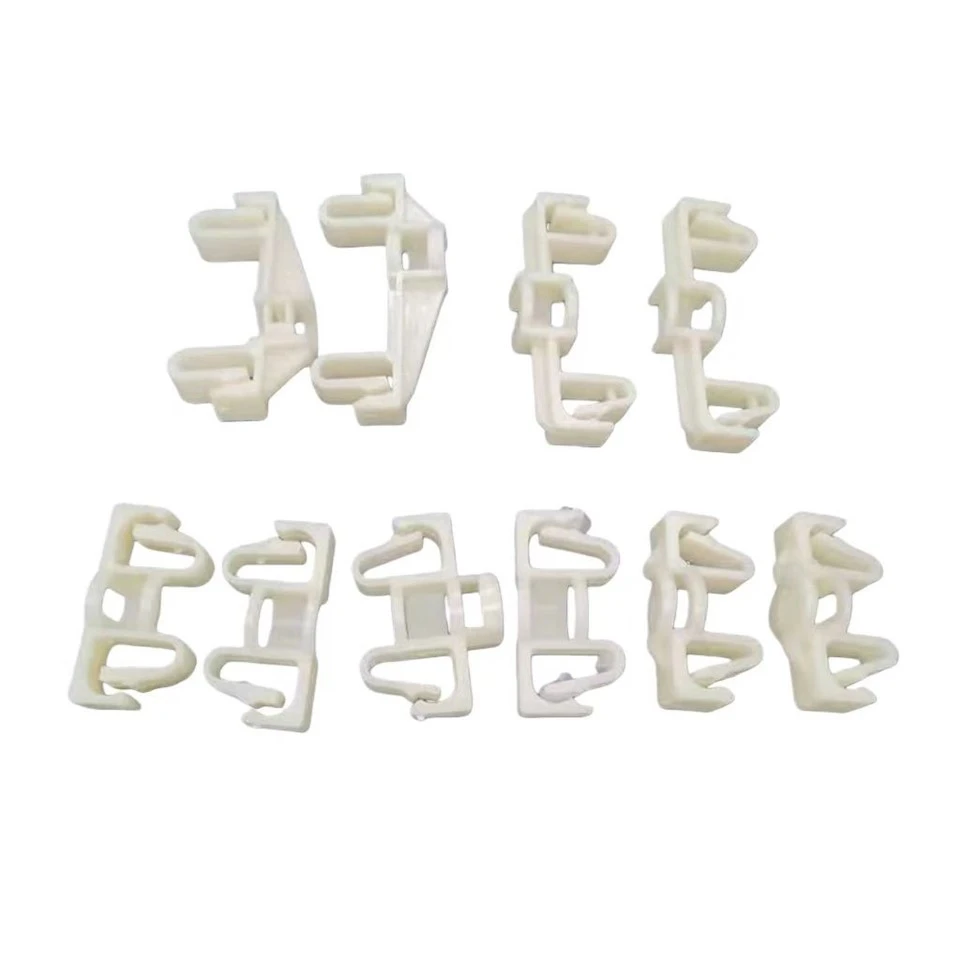
- ABS ALC Panel Fixing Clips: Make sure you have the right type and quantity of clips for your project.
- Screwdriver or drill: Depending on the type of clip, you may need a screwdriver or a drill to secure the clips to the panel and the building structure.
- Measuring tape: To ensure accurate placement of the clips.
- Safety equipment: Gloves and safety glasses to protect yourself during the installation process.
Preparation
- Inspect the Panel and the Hole: Before you start the installation, carefully inspect the ALC panel and the large hole. Check for any cracks, chips, or other damage that may affect the installation. Measure the size of the hole to ensure that the clips you've chosen are suitable.
- Clean the Area: Clean the surface of the panel around the hole and the building structure where the clips will be attached. Remove any dust, debris, or loose material to ensure a good bond.
- Mark the Placement: Use a measuring tape to mark the exact placement of the clips on the panel and the building structure. Make sure the marks are straight and evenly spaced.
Installation Process
- Insert the Clips into the Hole: If the hole is large, you may need to use a special technique to insert the clips. Some clips are designed to be inserted from the back of the panel, while others can be inserted from the front. Follow the manufacturer's instructions carefully.
- Secure the Clips to the Panel: Once the clips are inserted into the hole, use a screwdriver or a drill to secure them to the panel. Make sure the clips are tightly attached and do not move.
- Attach the Clips to the Building Structure: After the clips are secured to the panel, attach them to the building structure. This may involve using screws, nails, or other fasteners. Again, follow the manufacturer's instructions for the specific type of clip you are using.
- Check the Alignment: After all the clips are installed, check the alignment of the panel. Make sure the panel is level and straight. If necessary, make adjustments to the clips to ensure a proper fit.
Tips for a Successful Installation
- Follow the Manufacturer's Instructions: Each type of ABS ALC Panel Fixing Clip may have different installation requirements. Always follow the manufacturer's instructions to ensure a proper and secure installation.
- Use the Right Tools: Using the right tools for the job is crucial. Make sure you have a good - quality screwdriver or drill that is suitable for the type of clip you are installing.
- Take Your Time: Installation of the clips is a precise process. Take your time to measure, mark, and install the clips correctly. Rushing the process can lead to mistakes and a less secure installation.
- Inspect the Installation: Once the installation is complete, inspect the clips and the panel to make sure everything is secure. Check for any loose clips or signs of damage.
Troubleshooting
- Clip Not Fitting Properly: If the clip does not fit properly into the hole, check the size of the hole and the clip. You may need to enlarge the hole slightly or use a different type of clip.
- Clip Loose After Installation: If the clip is loose after installation, check the fasteners. Make sure they are tightened properly. You may need to add additional fasteners or replace the clip if it is damaged.
- Panel Not Aligned: If the panel is not aligned properly, check the placement of the clips. You may need to adjust the clips or re - install them to ensure a proper fit.
Conclusion
Installing ABS ALC Panel Fixing Clips on a panel with a large hole requires careful planning, the right tools, and attention to detail. By following the steps outlined in this blog and using the appropriate clips, you can ensure a secure and long - lasting installation.
As a supplier of ABS ALC Panel Fixing Clips, we are committed to providing high - quality products and excellent customer service. If you have any questions about our products or need assistance with installation, please feel free to contact us for a purchase negotiation. We look forward to working with you on your next construction project.
References
- Manufacturer's instructions for ABS ALC Panel Fixing Clips.
- Construction industry standards for ALC panel installation.


