

Selecting the appropriate wire gauge for a motor coil bobbin is a crucial step in the design and manufacturing of electric motors. As a supplier of Motor Coil Bobbin, I've seen firsthand how the right wire gauge can make or break the performance of a motor. In this blog, I'll share some insights on how to choose the right wire gauge for your motor coil bobbin.
Understanding Wire Gauge
First off, let's talk about what wire gauge is. Wire gauge is a measurement of the diameter of a wire. In the United States, the most commonly used system for measuring wire gauge is the American Wire Gauge (AWG). The higher the AWG number, the thinner the wire. For example, a 22 AWG wire is thinner than a 12 AWG wire.
Why does wire gauge matter? Well, it affects several important aspects of a motor coil. Thicker wires (lower AWG numbers) have less resistance, which means they can carry more current without overheating. This is great for high-power motors that need to handle a lot of current. On the other hand, thinner wires (higher AWG numbers) have more resistance, but they also take up less space. This can be useful in motors where space is limited.
Factors to Consider When Selecting Wire Gauge
There are several factors you need to consider when selecting the appropriate wire gauge for a motor coil bobbin.
Current Requirements
The first and most important factor is the current requirements of the motor. You need to know how much current the motor will draw under normal operating conditions. This information can usually be found in the motor's specifications. Once you know the current, you can use a wire gauge chart to determine the minimum wire gauge that can safely carry that current without overheating.
For example, if your motor requires 10 amps of current, you might need a wire gauge that can handle at least 10 amps. A 12 AWG wire can typically handle up to 20 amps, so it would be a suitable choice for this application. However, if space is limited, you might be able to get away with a slightly thinner wire, but you need to make sure it can still handle the current without overheating.
Resistance and Power Loss
As I mentioned earlier, wire gauge affects the resistance of the wire. The higher the resistance, the more power is lost as heat. This can reduce the efficiency of the motor and cause it to run hotter. So, when selecting wire gauge, you want to find a balance between the current-carrying capacity and the resistance.
If you're designing a high-efficiency motor, you'll want to use a thicker wire with lower resistance. This will minimize power loss and keep the motor running cool. However, if you're working on a low-power motor where space is a concern, you might be able to use a thinner wire with higher resistance.
Space Constraints
Space is often a major consideration when designing a motor. Thicker wires take up more space, so if you have limited space in your motor coil bobbin, you might need to use a thinner wire. However, you need to make sure the thinner wire can still handle the current requirements of the motor.
One way to save space is to use a Glass-Fiber Reinforced Nylon Coil Bobbin. These bobbins are made from a lightweight and strong material that can withstand high temperatures. They also have a smaller footprint than traditional bobbins, which can help you save space in your motor design.
Temperature Rating
Another important factor to consider is the temperature rating of the wire. Different wires have different temperature ratings, which indicate the maximum temperature they can withstand without melting or degrading. You need to make sure the wire you choose can handle the operating temperature of the motor.
If the motor is going to operate in a high-temperature environment, you'll need to use a wire with a high temperature rating. For example, some wires are rated for temperatures up to 200°C or more. These wires are typically made from special materials that can withstand high temperatures without losing their electrical properties.
Calculating the Appropriate Wire Gauge
Now that you know the factors to consider, how do you actually calculate the appropriate wire gauge for your motor coil bobbin? There are several methods you can use, but one of the most common is to use a wire gauge chart.
A wire gauge chart shows the relationship between wire gauge, current-carrying capacity, and resistance. To use a wire gauge chart, you need to know the current requirements of the motor and the maximum allowable resistance. Once you have this information, you can look up the appropriate wire gauge on the chart.
For example, if your motor requires 5 amps of current and you want to keep the resistance below 0.5 ohms, you can use a wire gauge chart to find the wire gauge that meets these requirements. Let's say the chart shows that a 16 AWG wire can handle up to 7 amps and has a resistance of 0.004 ohms per foot. This wire would be a suitable choice for your motor.
Conclusion
Selecting the appropriate wire gauge for a motor coil bobbin is a complex process that requires careful consideration of several factors. By understanding the current requirements, resistance, space constraints, and temperature rating of the motor, you can choose the right wire gauge to ensure optimal performance and reliability.

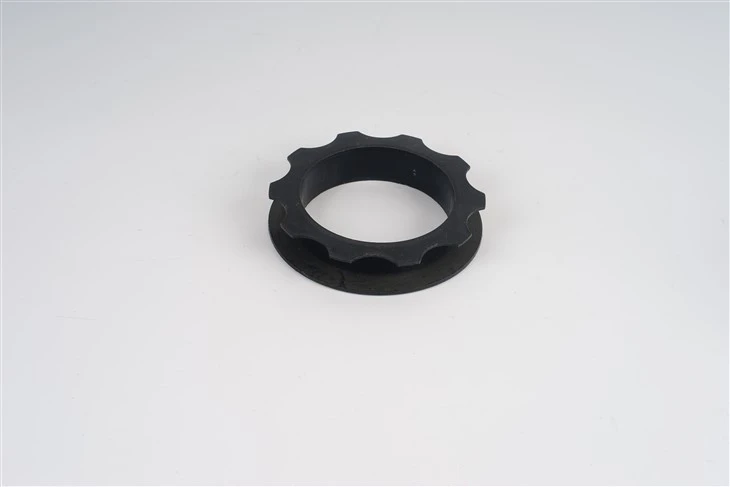
As a Motor Coil Bobbin supplier, we have the expertise and experience to help you select the right wire gauge for your specific application. If you have any questions or need assistance with your motor coil design, please don't hesitate to contact us. We're here to help you make the best decisions for your motor.
References
- Electrical Engineering Handbook, Third Edition. CRC Press.
- Motor Design Handbook. McGraw-Hill.


