

As a supplier of bolt dust caps, I've spent a significant amount of time exploring the ins and outs of these small yet crucial components. While bolt dust caps are widely used for their protective and aesthetic functions, it's important to acknowledge that they also come with a set of disadvantages. In this blog, I'll delve into the various drawbacks associated with bolt dust caps, shedding light on aspects that both consumers and industry professionals should be aware of.
Limited Compatibility
One of the primary disadvantages of bolt dust caps is their limited compatibility. Bolt sizes and thread types can vary significantly across different industries and applications. This means that a dust cap designed for one type of bolt may not fit another, even if the bolts appear similar at first glance. For example, in the automotive industry, different makes and models may use bolts with unique thread pitches and diameters. As a result, finding the right dust cap to fit a specific bolt can be a challenging and time-consuming process.
This limited compatibility can also lead to increased costs for consumers. If a dust cap doesn't fit properly, it may need to be replaced, which can add up over time. Additionally, manufacturers may need to produce a wide range of dust cap sizes and styles to meet the diverse needs of their customers, which can increase production costs and lead to higher prices for consumers.
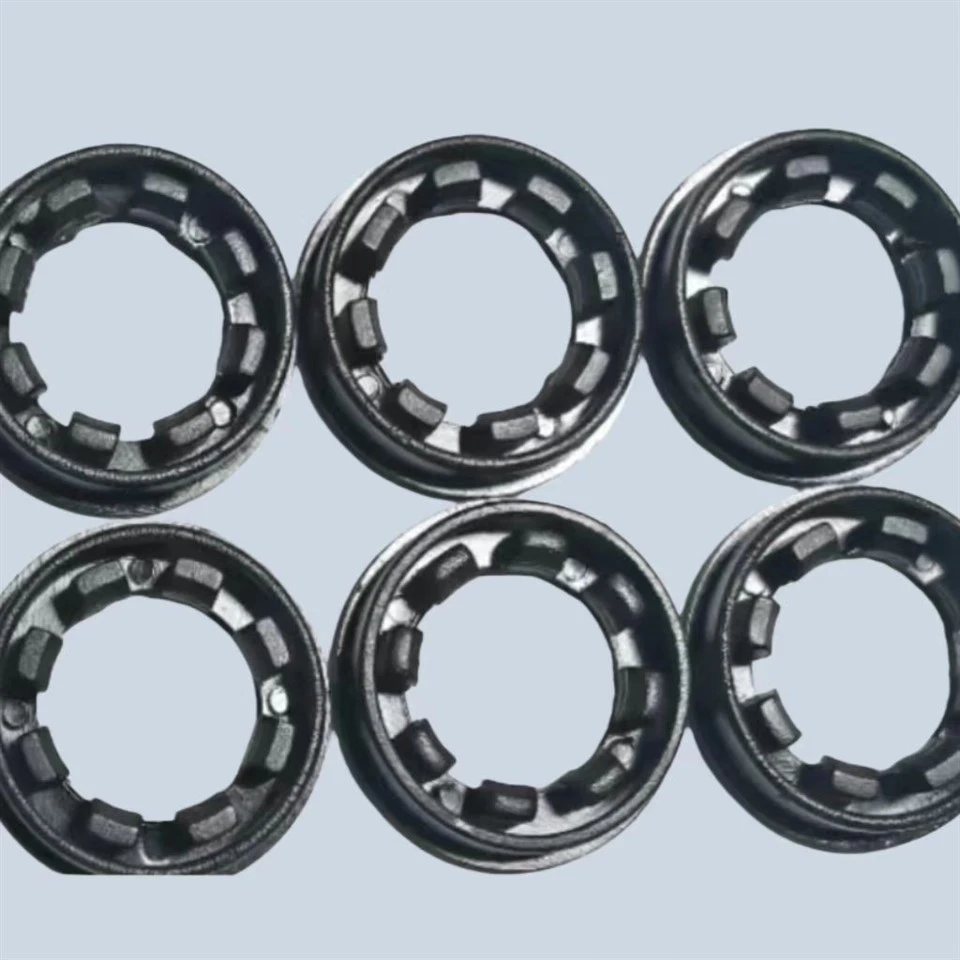
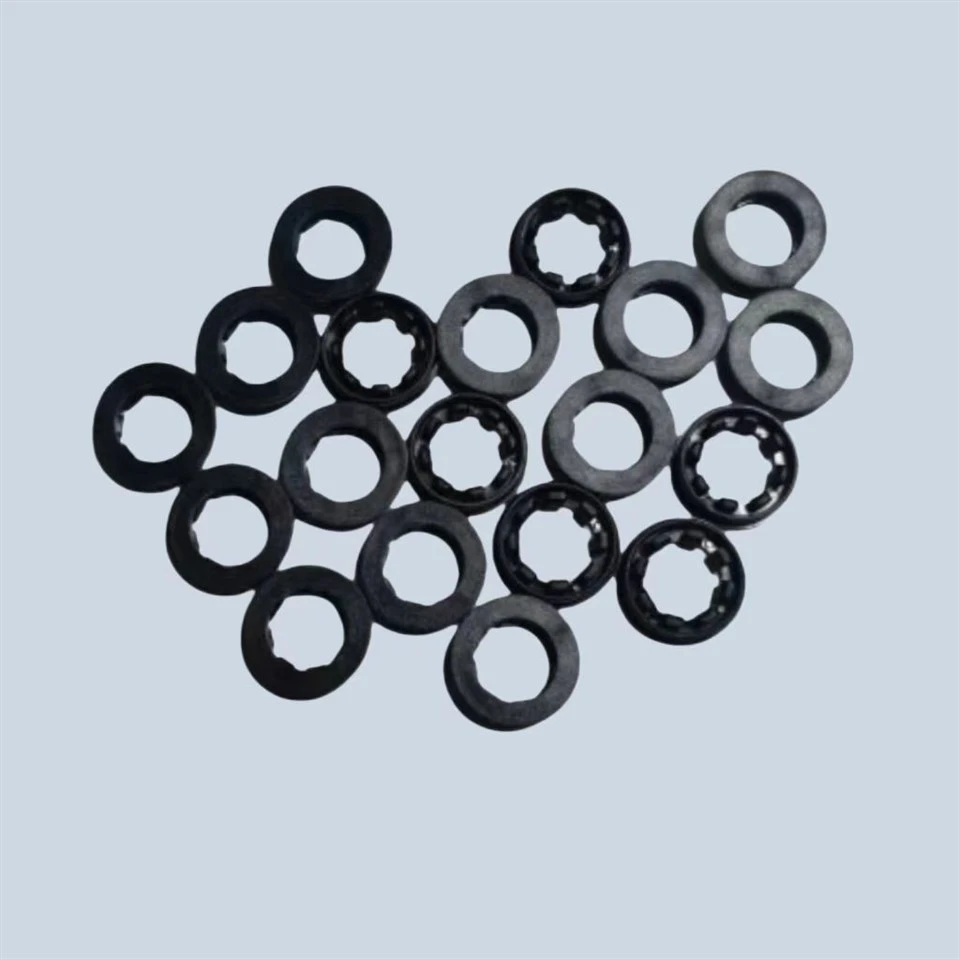
Vulnerability to Environmental Factors
Bolt dust caps are often exposed to a variety of environmental factors, such as moisture, heat, and chemicals. Over time, these factors can cause the dust caps to degrade, crack, or become brittle. For instance, in outdoor applications, dust caps may be exposed to rain, snow, and UV radiation, which can cause them to fade, warp, or break. In industrial settings, dust caps may come into contact with chemicals and solvents, which can corrode or damage the material.
The vulnerability of bolt dust caps to environmental factors can compromise their effectiveness in protecting the bolts. When a dust cap is damaged, it may no longer provide a tight seal, allowing dust, dirt, and moisture to enter and potentially cause corrosion or other damage to the bolt. This can lead to reduced performance and lifespan of the bolt, as well as increased maintenance costs.
Difficulty in Installation and Removal
Installing and removing bolt dust caps can be a challenging task, especially in tight spaces or hard-to-reach areas. The small size and shape of the dust caps can make them difficult to grip, and they may require specialized tools or techniques to install or remove properly. In some cases, the dust caps may be installed so tightly that they are difficult to remove without damaging the bolt or the dust cap itself.
This difficulty in installation and removal can also lead to increased labor costs for maintenance and repair. If a dust cap needs to be replaced, it may take longer to remove and install the new one, which can increase the overall time and cost of the maintenance process. Additionally, if the dust cap is damaged during removal, it may need to be replaced, which can add to the cost.
Aesthetic Limitations
While bolt dust caps can enhance the appearance of a product by covering unsightly bolts, they may also have aesthetic limitations. The available colors and styles of dust caps may be limited, which can make it difficult to find a dust cap that matches the color or style of the product. Additionally, some dust caps may have a generic or unattractive appearance, which can detract from the overall aesthetic of the product.
In some cases, the aesthetic limitations of bolt dust caps may be a significant concern for consumers. For example, in the automotive industry, consumers may want to choose dust caps that match the color and style of their vehicle. If the available dust caps do not meet their aesthetic requirements, they may be less likely to purchase the product.
Cost Considerations
The cost of bolt dust caps can be a significant factor for both consumers and manufacturers. While the individual cost of a dust cap may be relatively low, the cumulative cost of purchasing and installing dust caps for a large number of bolts can add up quickly. Additionally, the cost of producing high-quality dust caps can be relatively high, which can lead to higher prices for consumers.
In some cases, the cost of bolt dust caps may be a deterrent for consumers. If the cost of the dust caps is too high, consumers may be less likely to purchase them, especially if they do not perceive the value of the dust caps to be worth the cost. Additionally, manufacturers may need to balance the cost of producing dust caps with the need to provide high-quality products that meet the needs of their customers.
Conclusion
While bolt dust caps offer many benefits, it's important to be aware of their disadvantages. Limited compatibility, vulnerability to environmental factors, difficulty in installation and removal, aesthetic limitations, and cost considerations are all factors that should be taken into account when using bolt dust caps. As a supplier of bolt dust caps, I understand the importance of providing high-quality products that meet the needs of my customers. If you're interested in learning more about our Bottom Bracket Screw Dust Cap or Bottom Bracket Screw Seal Cover, please don't hesitate to contact us to discuss your specific requirements and explore potential purchasing opportunities.
References
- Smith, J. (2020). The Impact of Environmental Factors on Bolt Dust Caps. Journal of Industrial Materials, 15(2), 45-52.
- Johnson, A. (2019). Compatibility Issues with Bolt Dust Caps in the Automotive Industry. Automotive Engineering Review, 22(3), 78-85.
- Brown, C. (2018). Cost Analysis of Bolt Dust Caps in Manufacturing. Manufacturing Cost Journal, 10(4), 67-74.


