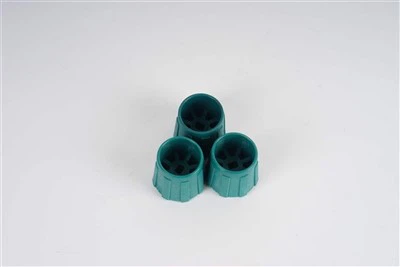
Installing plastic control knobs can be a straightforward process if done correctly, but it's crucial to avoid causing damage to these precision components. As a supplier of high - quality plastic control knobs, I understand the importance of a proper installation process. In this blog, I'll share some practical tips on how to install plastic control knobs without damaging them.


Understanding Your Plastic Control Knobs
Before diving into the installation process, it's essential to understand the type of plastic control knobs you have. We offer a wide range of plastic control knobs, including Reinforced Nylon Switch Knob, Engineering Plastic Switch Knob, and Anti - slip Switch Knob. Each type has its unique characteristics and installation requirements.
Reinforced nylon switch knobs are known for their strength and durability. They can withstand a certain amount of stress during installation, but still require careful handling to prevent cracking. Engineering plastic switch knobs, on the other hand, are designed for more complex applications and may have a more precise fit. Anti - slip switch knobs are designed with a special surface treatment to provide better grip, and any damage to this surface can affect their functionality.
Pre - installation Preparation
- Gather the Necessary Tools: You'll need a set of basic tools for the installation, such as a screwdriver, pliers, and a measuring tape. Make sure the tools are clean and in good condition to avoid scratching the knobs.
- Inspect the Knobs: Before installation, carefully examine the plastic control knobs for any visible defects, such as cracks, scratches, or uneven surfaces. If you find any issues, contact your supplier immediately for a replacement.
- Clean the Mounting Surface: The mounting surface should be clean and free of debris, dust, and grease. Use a mild cleaning solution and a soft cloth to clean the surface thoroughly. This will ensure a secure and stable installation.
Installation Steps
- Determine the Correct Orientation: Most plastic control knobs have a specific orientation for proper installation. Check the manufacturer's instructions or markings on the knob to ensure it is installed in the correct position.
- Align the Knob with the Shaft: Carefully align the hole in the knob with the shaft on the device. Make sure the alignment is precise to avoid any misalignment that could cause damage during installation.
- Insert the Knob onto the Shaft: Gently push the knob onto the shaft. If the knob is a press - fit type, apply even pressure around the circumference of the knob to ensure a secure fit. Avoid using excessive force, as this can cause the knob to crack or break.
- Secure the Knob: Depending on the type of knob, you may need to use a set screw or other fastening method to secure it in place. If using a set screw, use a screwdriver to tighten it gently. Make sure not to overtighten, as this can damage the plastic.
Common Mistakes to Avoid
- Using Excessive Force: As mentioned earlier, using too much force during installation can cause the plastic control knobs to crack or break. Always apply gentle and even pressure.
- Improper Alignment: Misaligning the knob with the shaft can lead to a poor fit and may cause damage to the knob or the device. Take the time to ensure proper alignment before installing the knob.
- Neglecting to Clean the Mounting Surface: A dirty mounting surface can prevent the knob from fitting properly and may cause it to loosen over time. Always clean the mounting surface before installation.
Troubleshooting
If you encounter any problems during the installation process, such as the knob not fitting properly or becoming stuck, don't panic. Here are some troubleshooting tips:
- Check the Alignment: Double - check that the knob is correctly aligned with the shaft. If it's misaligned, gently adjust it until it fits properly.
- Apply a Lubricant: If the knob is difficult to insert, you can apply a small amount of lubricant to the shaft. This will help the knob slide on more easily. However, make sure to use a lubricant that is compatible with the plastic material of the knob.
- Contact the Supplier: If you're still having trouble, don't hesitate to contact your plastic control knob supplier. They can provide you with additional guidance and support.
Conclusion
Installing plastic control knobs without damaging them requires careful preparation, proper technique, and attention to detail. By following the steps outlined in this blog, you can ensure a successful installation and enjoy the long - term functionality of your plastic control knobs.
If you're in the market for high - quality plastic control knobs, we're here to help. Our wide range of products, including Reinforced Nylon Switch Knob, Engineering Plastic Switch Knob, and Anti - slip Switch Knob, are designed to meet your specific needs. Contact us today to discuss your requirements and start the procurement process.
References
- General knowledge about plastic control knob installation from industry experience.
- Manufacturer's guidelines for various plastic control knobs.